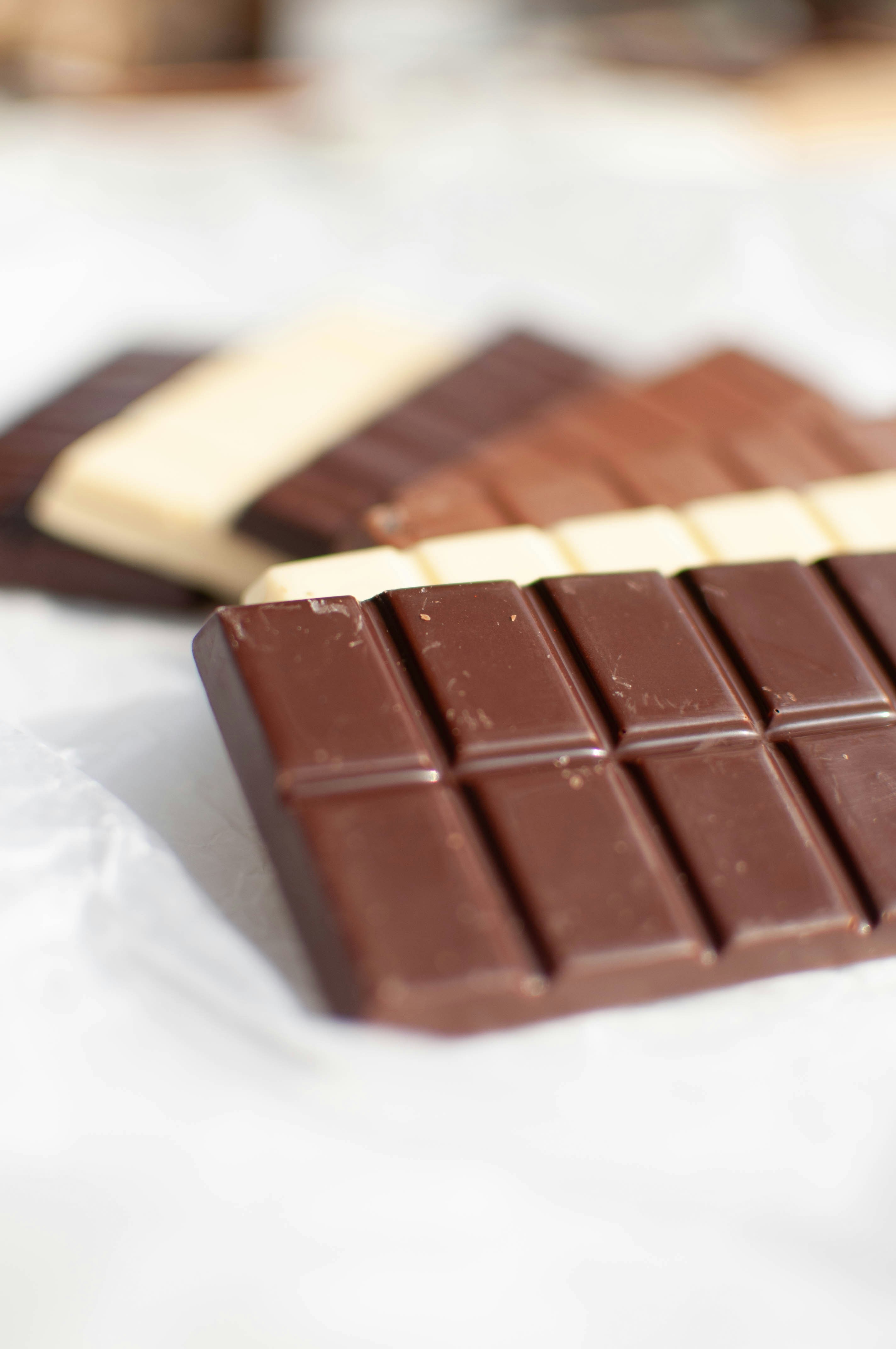
Few foods spark as much debate as chocolate, especially when it comes to its different flavours. Chocolate is enjoyed worldwide, yet its flavours create strong and divided preferences. It presents itself in several distinctive flavours, the most notable ones being milk, white, and dark chocolate. Each flavour has carved its own identity through the way it is made and the qualities it offers, leading many individuals to have mixed preferences. But out of all these flavours, which one truly deserves to be recognised as the best?
Chocolate has a long history that explains how the flavours we know have developed. Early civilizations such as the Aztecs used cocoa in bitter drinks, valuing it for its taste and cultural significance. As chocolate became more popular in Europe, people began to experiment with new ingredients and techniques, transforming it to a sweeter and solid version we recognise today. These developments eventually led to the introduction of different flavours, each becoming recognised for its own reasons and shaping the three main flavours we see today.
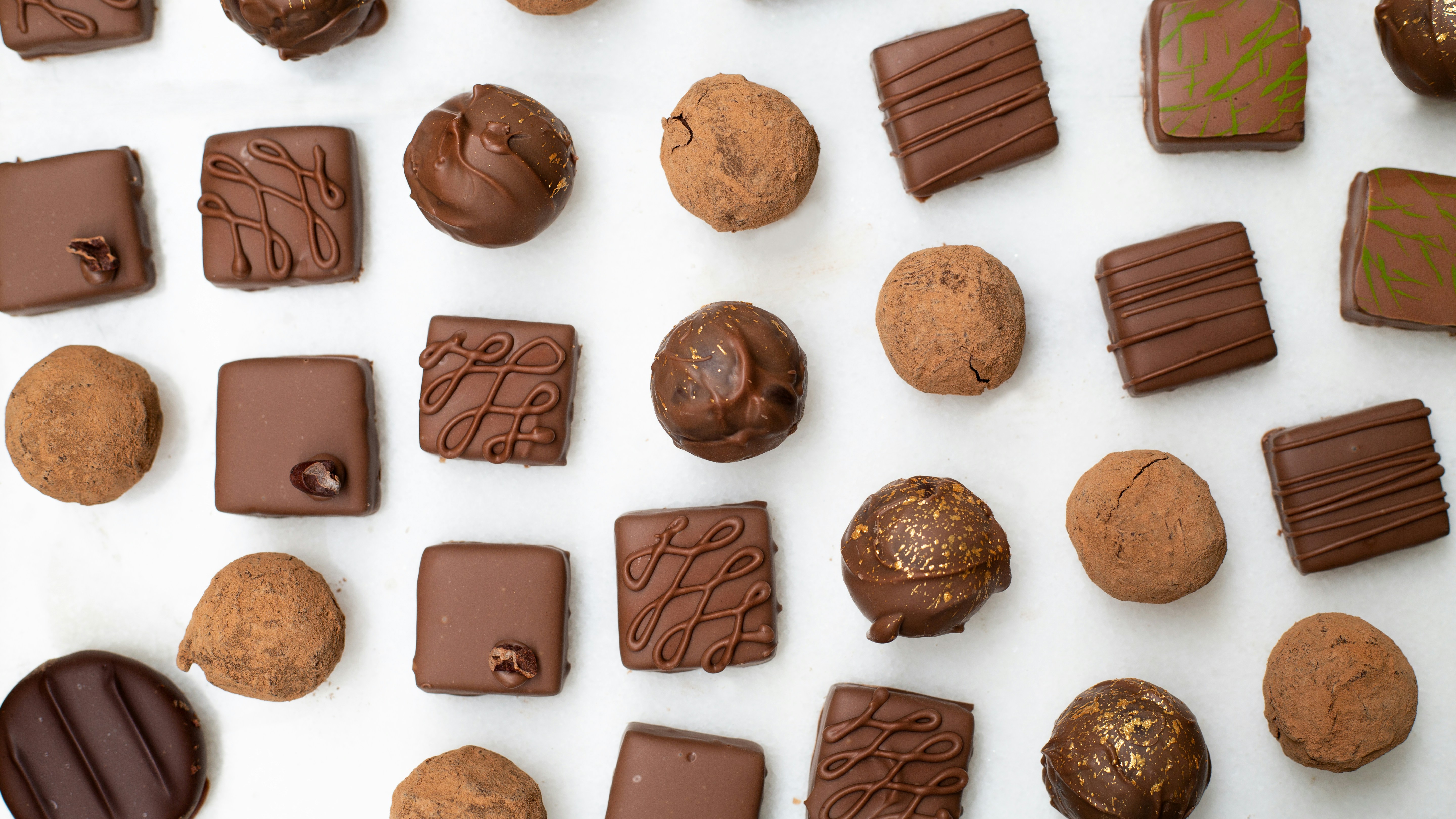
Each chocolate flavour is made through a different mix of ingredients and methods, giving it its own taste and texture. Milk chocolate is created by combining cocoa, sugar, and milk powder, resulting in a sweet and soft texture. Dark chocolate however, uses a much higher amount of cocoa and far less sugar, creating a stronger and more bitter taste. White chocolate differs from both, as it is made from cocoa butter instead of cocoa solids, which gives it a lighter texture. These differences also affect their health benefits, with dark chocolate being the healthiest option, whereas milk and white chocolate offer a smoother taste and a higher energy content.
In the present day, each flavour plays its own role in the products we consume. Milk chocolate is the most common, as its sweet and balanced taste appeals heavily for everyday snacks, desserts, and even drinks such as hot chocolate. Dark chocolate follows closely behind, being used in baking, premium treats, and snack bars, where its strong flavour and cocoa content are appreciated, including the health benefits of higher cocoa levels. White chocolate serves a different purpose, as its lighter texture makes it popular in sweeter confectionery, dessert coatings, and sometimes even in cosmetic items.
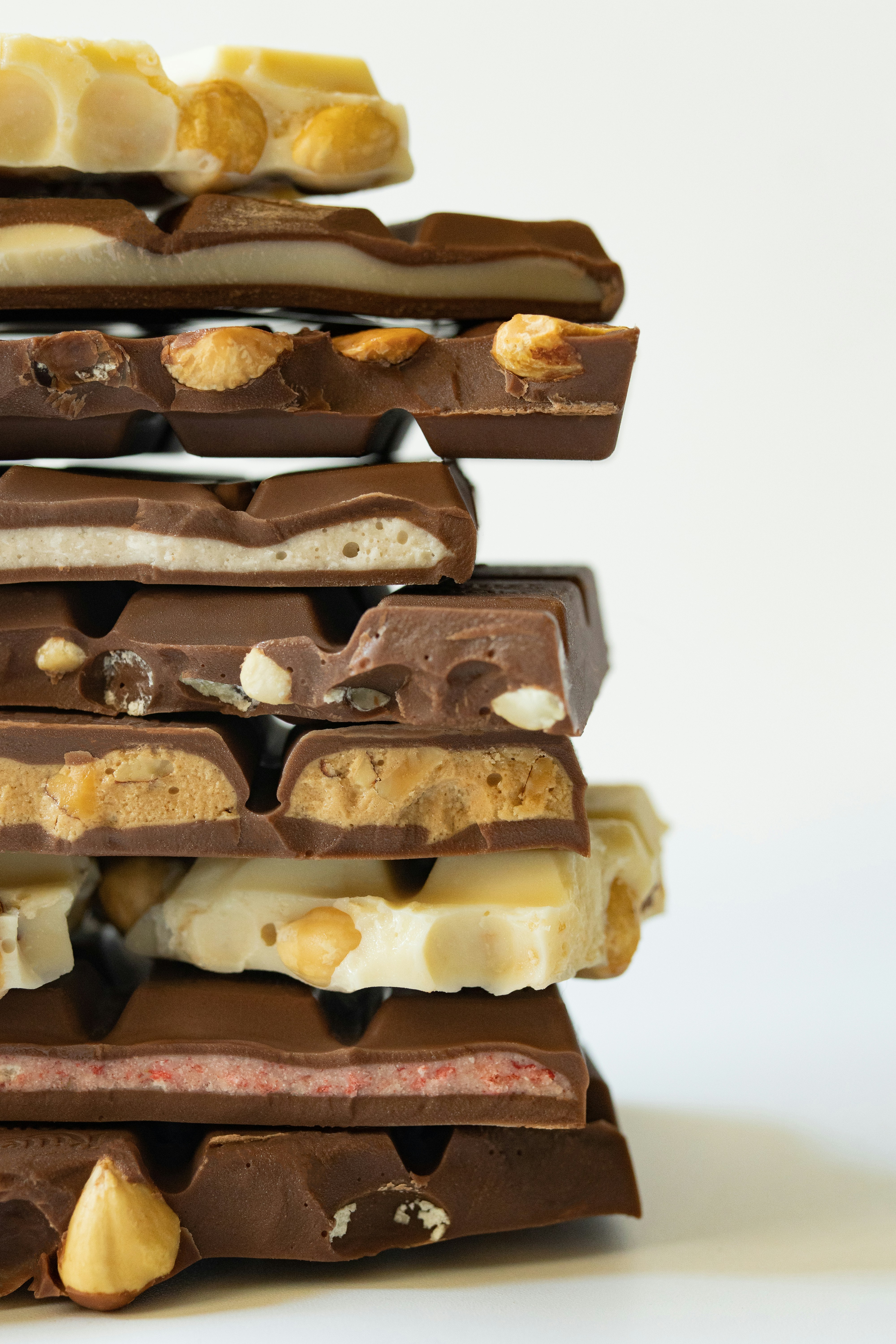
Overall, the development, ingredients, and modern uses of milk, dark, white chocolate all highlight how each flavour holds its own place. This is supported by how differently each flavour is used in products today. There is no ‘best’ chocolate flavour, as each serves its own unique purpose in how individuals enjoy chocolate.
Illustrations By
– Melina Bronca
– Jessica Loaiza
– Julia Zyablova